
If you own a car in the UK, you’ve probably heard the term “MOT” countless times. But for newer drivers — or anyone unfamiliar with the process — it can sometimes feel confusing or intimidating.
In simple terms, an MOT is an annual safety and roadworthiness test designed to make sure your vehicle meets the minimum legal standards to be driven on UK roads.
What Does MOT Stand For?
“MOT” comes from the old Ministry of Transport, the government department that introduced vehicle testing in the UK.
Although the department no longer exists under that name, the test itself is still officially known as an MOT.
When Does a Vehicle Need an MOT?
Most cars, vans, and motorcycles in the UK require their first MOT once they are three years old.
After that, the vehicle must be tested every year to remain road legal.
You can check your MOT status and expiry date online through the official DVSA service. (gov.uk)
What Does the MOT Test Check?
The MOT focuses mainly on safety and environmental standards rather than the overall mechanical condition of the engine.
During the test, a qualified MOT tester checks important areas including:
- Brakes
- Tyres and wheels
- Steering and suspension
- Lights and indicators
- Windscreen and wipers
- Seatbelts
- Mirrors
- Exhaust system and emissions
- Vehicle body structure
The aim is to ensure the vehicle is safe for both the driver and other road users. (gov.uk)
What Happens if Your Car Passes?
If your vehicle passes the inspection:
- You receive an MOT certificate
- Your MOT record is updated electronically
- Your vehicle remains road legal for another 12 months
You may still receive advisory notes for items that are worn or likely to need attention soon.
For example:
- Tyres nearing minimum tread depth
- Brake pads beginning to wear
- Minor corrosion
These advisories are useful because they help drivers plan maintenance before problems become serious.
What Happens if Your Car Fails?
If your vehicle fails the MOT:
- The garage will explain the reasons
- Dangerous or major faults must be repaired before the vehicle can legally be driven in most situations
- You may need a partial retest after repairs
Common MOT failure reasons include:
- Faulty lights
- Worn tyres
- Brake issues
- Suspension wear
- Emissions problems
Many local garages can carry out repairs immediately after the test, helping minimise downtime.
Simple Things You Can Check Before an MOT
A few basic checks at home can improve your chances of passing first time.
Before your appointment, check:
- All lights are working
- Washer fluid is topped up
- Tyres have legal tread depth
- Number plates are clean and readable
- Windscreen wipers work properly
- No warning lights remain illuminated on the dashboard
These quick checks can prevent unnecessary failures.
Why Choosing a Local MOT Garage Helps
Booking your MOT locally often makes the process far easier and less stressful.
A nearby garage means:
- Easier drop-off and collection
- Faster repair approvals if problems are found
- Less travel disruption
- Better long-term support from mechanics familiar with your vehicle
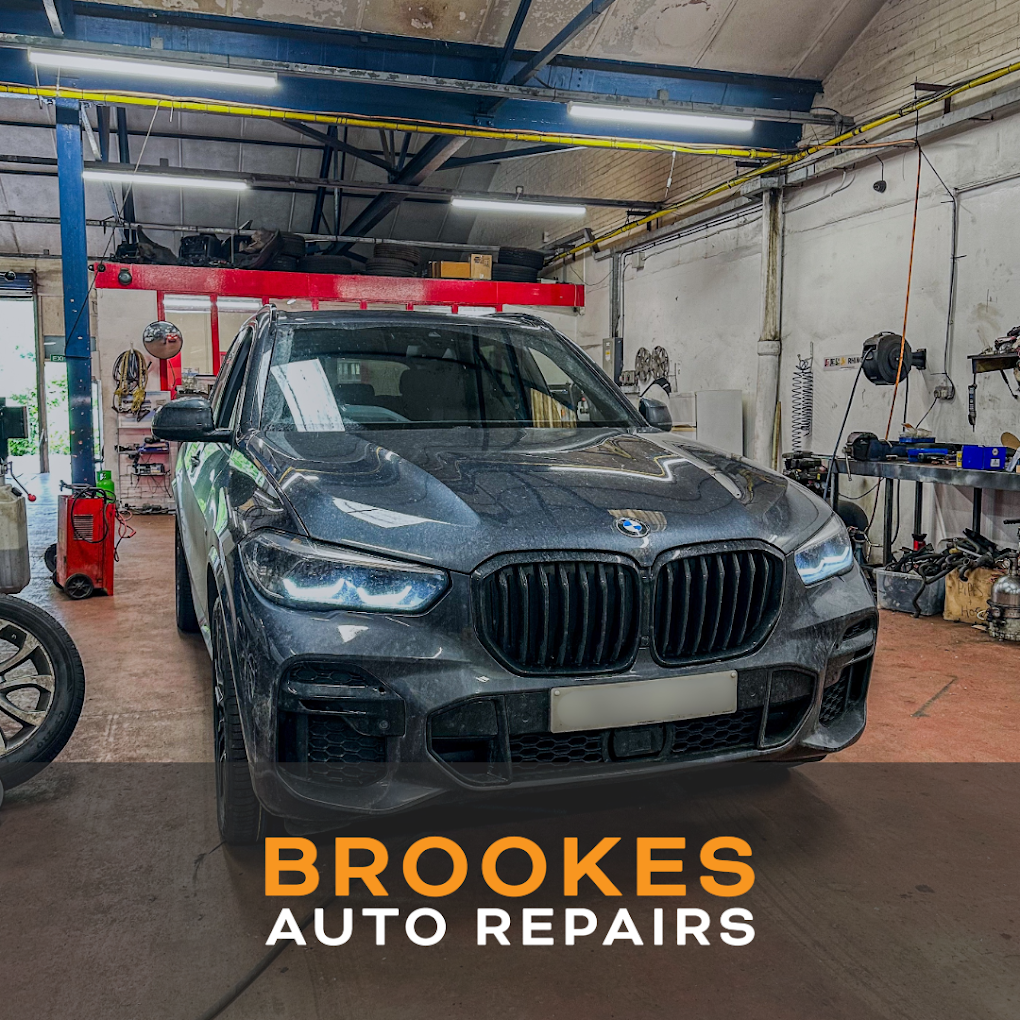
For drivers in the Swansea Valley and Ystradgynlais area, local garages such as Brookes Auto Repairs provide MOT testing alongside servicing, repairs, and vehicle diagnostics. That combination can be especially helpful if faults are identified during the inspection, as repairs and diagnostic work can often be handled in the same place. (brookesautorepairs.com)
Can You Drive Without an MOT?
Driving without a valid MOT certificate is illegal unless:
- You are driving to a pre-booked MOT appointment, or
- Driving to a garage for repairs following a failed MOT
Driving without an MOT can result in:
- Fines
- Insurance issues
- Penalty points in some cases
Final Thoughts
An MOT is simply a yearly safety check that helps ensure vehicles on UK roads remain safe and environmentally compliant.
While the test can sometimes feel inconvenient, staying on top of MOT dates and using a reliable local garage can make the process straightforward. A little preparation beforehand often goes a long way toward avoiding unnecessary failures and keeping your car safely on the road year-round.