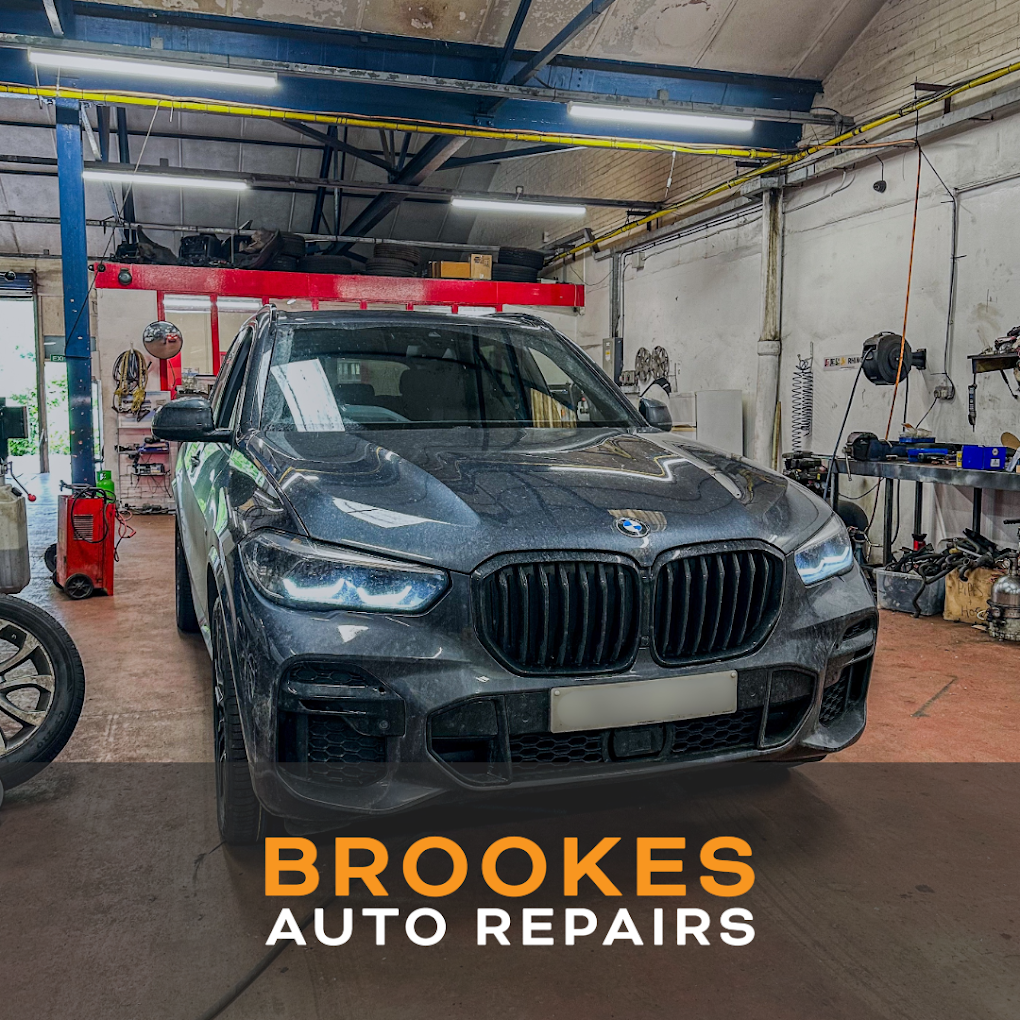

Four-wheel drive and all-wheel drive systems are among the most complex and most maintenance-intensive drivetrain configurations available in modern vehicles. Yet many owners of SUVs and crossovers with these systems are unaware of the specific maintenance requirements they carry. At Brookes Auto Repair, we service 4WD and AWD vehicles regularly and want to ensure owners understand what their systems need.
Understanding the Difference
Four-wheel drive (4WD) systems typically feature a transfer case that allows the driver to select between two-wheel drive and four-wheel drive modes. They are common in traditional off-road vehicles and pickup trucks. All-wheel drive (AWD) systems distribute power between all four wheels automatically and continuously, without driver input. They are common in modern crossovers, SUVs, and performance cars. Each type has different components and different maintenance requirements.
Transfer Case Fluid
4WD transfer cases contain a separate fluid that lubricates the internal gears and clutch packs. This fluid degrades over time and with heat cycles, losing its lubricating and protective properties. Most manufacturers recommend changing transfer case fluid every 30,000 to 60,000 miles, though many vehicles reach far beyond this point without the change ever being carried out. A transfer case failure is a significant and expensive repair.
Front and Rear Differential Fluid
Both 4WD and AWD vehicles typically have front and rear differentials, each with their own fluid supply. Differential fluid lubricates the ring and pinion gears and, in limited-slip differentials, the clutch packs that distribute torque between the wheels. This fluid should be changed at the manufacturer’s recommended interval — or proactively on vehicles where the history is unknown.
Haldex and Multi-Plate Clutch Units
Many modern AWD systems use a Haldex coupling or similar multi-plate clutch unit to distribute torque between the front and rear axles. These units have their own dedicated fluid that requires periodic replacement — typically every 30,000 to 40,000 miles. Neglected Haldex fluid causes wear on the clutch plates and can result in the AWD system disengaging or failing to engage correctly.
Tyre Matching on AWD Vehicles
AWD and 4WD systems are sensitive to tyre size mismatches between axles. Running tyres of significantly different diameters front and rear — which can occur when only two tyres are replaced rather than all four — causes the AWD system to work continuously to compensate for the speed difference, accelerating wear on the clutch packs and coupling units. All four tyres should ideally be replaced together, or at minimum matched in diameter across each axle.
For 4WD and AWD servicing, contact Brookes Auto Repair at brookesautorepair.com.