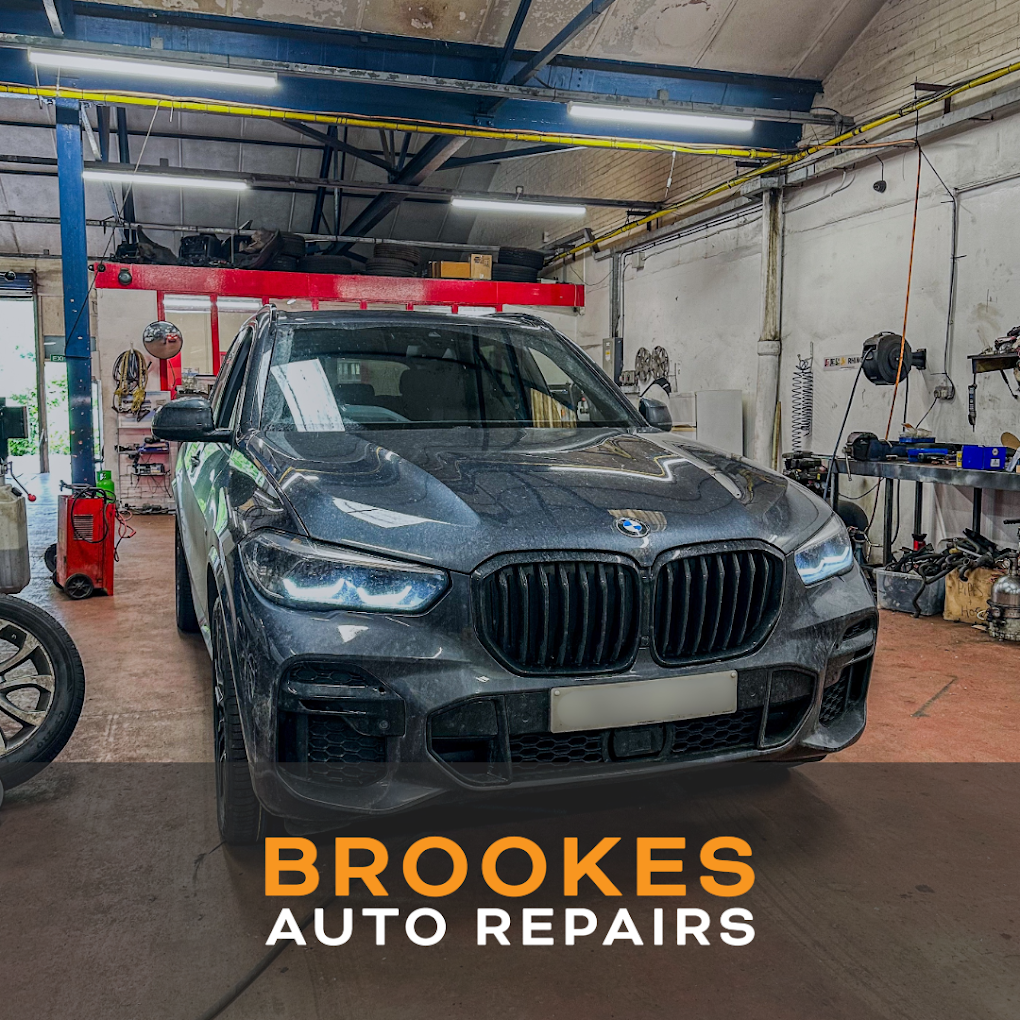

The diesel particulate filter — universally known as the DPF — has become one of the most discussed and most misunderstood components in modern diesel vehicles. At Brookes Auto Repair, DPF-related issues are among the most common problems we see on diesel cars, and in the majority of cases the problem is not a failing component but a mismatch between the vehicle type and the way it is being driven. Understanding what a DPF does and what it needs to function correctly can save diesel owners from a very expensive repair.
What Does a DPF Do?
A diesel particulate filter is fitted in the exhaust system to capture the microscopic soot particles produced by diesel combustion. These particles — known as particulates — are a significant contributor to urban air quality problems, and legislation introduced across Europe in the 2000s required manufacturers to fit DPFs to reduce particulate emissions from new diesel vehicles. Most diesel cars produced after 2009 are fitted with a DPF as standard.
What Is Regeneration and Why Does It Matter?
The DPF traps soot particles as exhaust gases pass through it. Over time, the filter fills with soot and must be cleaned — a process called regeneration. During regeneration, the engine management system raises exhaust temperatures sufficiently to burn off the accumulated soot, converting it to harmless carbon dioxide and water. This process happens automatically — but only when the engine is running at a sustained temperature for a sufficient period, typically requiring a run of at least 10 to 15 minutes at motorway speeds.
Why Short Journeys Cause Problems
If a diesel vehicle is used predominantly for short urban journeys, the engine may never reach the temperature required to initiate regeneration. The DPF gradually becomes more and more blocked, restricting exhaust flow and triggering a warning light on the dashboard. A partially blocked DPF can sometimes be cleared by a motorway run — but a severely blocked filter will require either a forced regeneration using specialist diagnostic equipment or, in the worst cases, replacement of the filter itself, which can cost over a thousand pounds.
Should You Buy a Diesel for Urban Use?
The honest answer is no — if your driving is predominantly short urban journeys, a diesel vehicle with a DPF is the wrong choice. The DPF is designed for vehicles that cover meaningful distances at sustained speeds. Petrol, hybrid, or electric vehicles are significantly better suited to urban driving patterns. At Brookes Auto Repair, we advise all diesel owners experiencing DPF issues on the most appropriate course of action for their specific situation.
For DPF diagnosis and servicing, contact Brookes Auto Repair at brookesautorepair.com.