
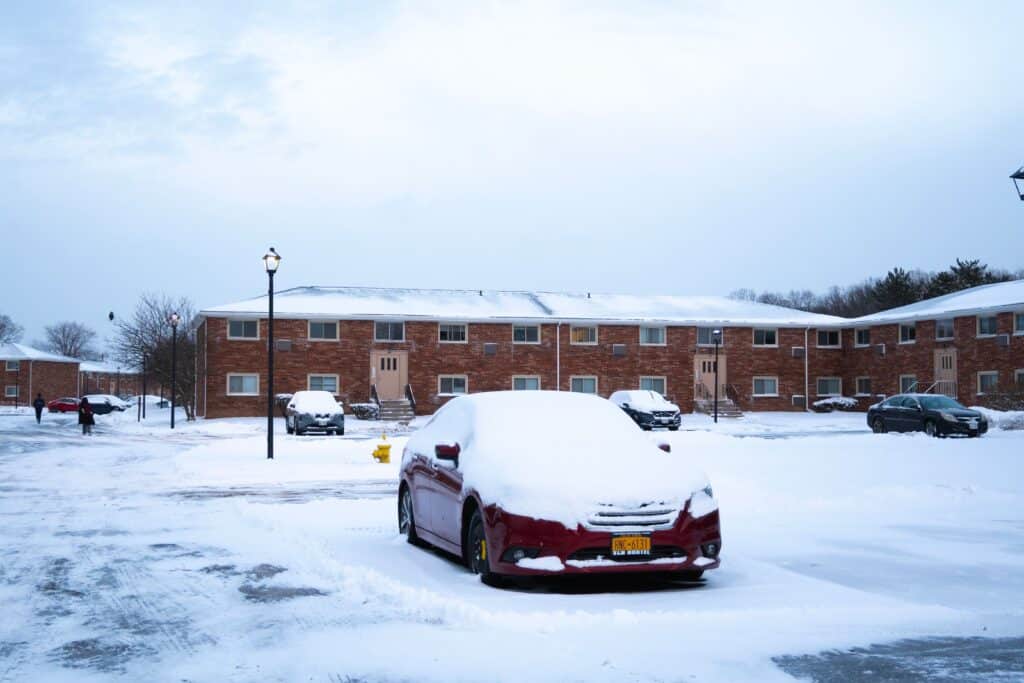
Cold weather affects almost every system in your vehicle simultaneously. Battery capacity drops. Engine oil thickens. Tyre pressure falls. Fuel consumption increases. And the chance of a breakdown — for all of these reasons combined — is significantly higher in winter than at any other time of year. At Brookes Auto Repair, winter is our busiest season precisely because so many drivers are caught out by the season’s demands on their vehicles.
Battery Performance in Cold Temperatures
A car battery operates through a chemical reaction that is slowed by cold temperatures. At 0°C, a battery’s effective capacity drops by around 20 percent. At -10°C, that figure rises to 40 percent or more. At the same time, a cold engine requires more current to turn over than a warm one. The combination of reduced capacity and increased demand is why flat batteries are so much more common in winter. If your battery is more than three years old, have it load-tested before the cold sets in.
Engine Oil Viscosity
Engine oil becomes thicker in cold temperatures, which means it takes longer to circulate fully on a cold start. The first few seconds after starting a cold engine are among the most demanding in terms of wear — oil has not yet reached all the surfaces that need lubrication. Using the correct oil grade for your vehicle is important; an oil that is too thick for cold conditions will circulate even more slowly and increase cold-start wear. Synthetic oils generally perform better in cold conditions than mineral alternatives.
Tyre Pressure
Tyre pressure drops by approximately 1 PSI for every 5°C reduction in temperature. A tyre inflated to the correct pressure in September may be 4-5 PSI low by January. Under-inflated tyres increase rolling resistance, raise fuel consumption, and — more critically in winter conditions — reduce the contact patch available for braking and cornering. Check pressures more frequently during the colder months.
Fuel Consumption
Cold weather increases fuel consumption through several mechanisms: thicker lubricants in the engine and transmission create more resistance, the engine takes longer to reach operating temperature (during which it runs on a richer fuel mixture), and cabin heating places additional load on the electrical system. Short trips in winter are particularly inefficient, as the engine may never fully warm up.
For a comprehensive winter preparation service, contact Brookes Auto Repair at brookesautorepair.com.