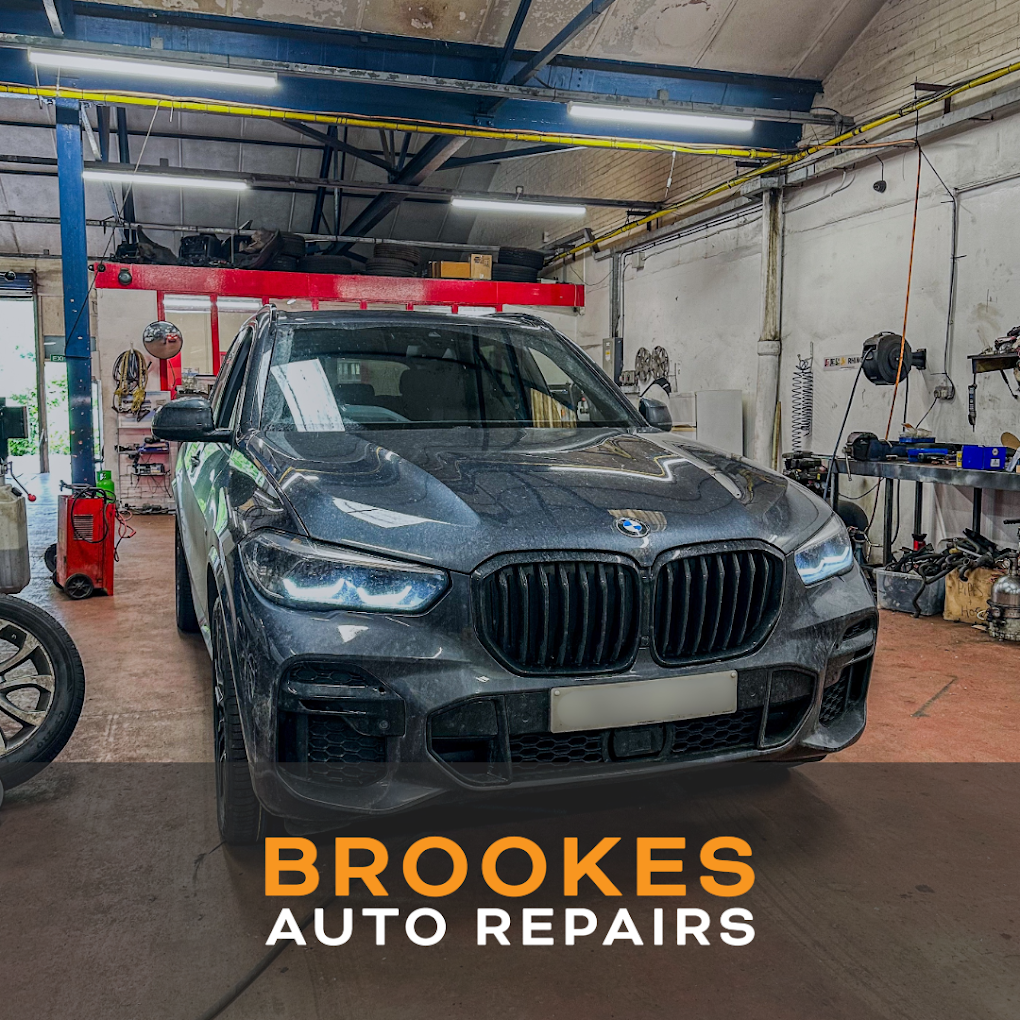

The cooling system is one of the most critical and least understood systems in a modern vehicle. Its job is to manage the enormous heat generated by the combustion process — temperatures inside a running engine cylinder can exceed 2,000°C — and maintain the engine at its optimal operating temperature. When the cooling system fails, the consequences can be severe and expensive. At Brookes Auto Repair, cooling system failures are among the most preventable causes of major engine damage we see.
How the Cooling System Works
Coolant — a mixture of water and antifreeze — circulates through passages in the engine block and cylinder head, absorbing heat from the metal surfaces. It then passes through the radiator, where airflow (assisted by the cooling fan) dissipates the heat before the cooled fluid returns to the engine. A thermostat controls when coolant begins to flow through the radiator, allowing the engine to warm up quickly to its optimal operating temperature before the full cooling circuit opens.
Coolant Condition and Concentration
Coolant degrades over time — its corrosion inhibitors deplete, and its freeze protection reduces. Most manufacturers recommend replacing coolant every two to five years depending on the type used. The concentration of antifreeze in the coolant mixture determines its freeze protection — a 50/50 mix of antifreeze and water typically protects to around -34°C. In the UK, this is adequate for virtually all conditions.
Common Cooling System Problems
A leaking radiator, faulty thermostat, failing water pump, cracked hose, or failing head gasket can all cause cooling system problems. The head gasket — which seals the joint between the engine block and cylinder head — is particularly significant. A failing head gasket can allow coolant to enter the combustion chamber (producing white smoke from the exhaust), or allow combustion gases to enter the coolant (causing it to foam or discolour).
Warning Signs to Watch For
The temperature gauge rising above normal, the coolant warning light illuminating, white smoke from the exhaust, coolant loss without visible leaks, or a sweet smell from the engine bay are all indicators of cooling system problems. If the temperature gauge enters the red zone, stop the engine immediately and do not restart it until the cause has been investigated.
For cooling system servicing and repairs, contact Brookes Auto Repair at brookesautorepair.com.