
Brake pads and discs are wear items — they will always need replacing eventually. But the interval between replacements varies enormously depending on how a vehicle is driven and maintained. At Brookes Auto Repair, we see brakes that have lasted 70,000 miles and brakes that have worn out in under 20,000. The difference is almost always driving style and maintenance habits.
Anticipate Rather Than React
The single most effective thing you can do to extend brake life is to brake less. This sounds counterintuitive, but smooth, progressive driving that uses engine braking and anticipates traffic conditions ahead reduces the frequency and severity of brake application significantly. Look further ahead, allow more following distance, and begin decelerating earlier — you will use your brakes far less.
Avoid Riding the Brakes
Keeping light pressure on the brake pedal — particularly on long downhill sections — generates sustained heat in the braking system without bringing the vehicle to a stop. This accelerates wear and can cause brake fade. On long descents, use engine braking by selecting a lower gear rather than relying on the brakes throughout.
Do Not Ignore Brake Noise
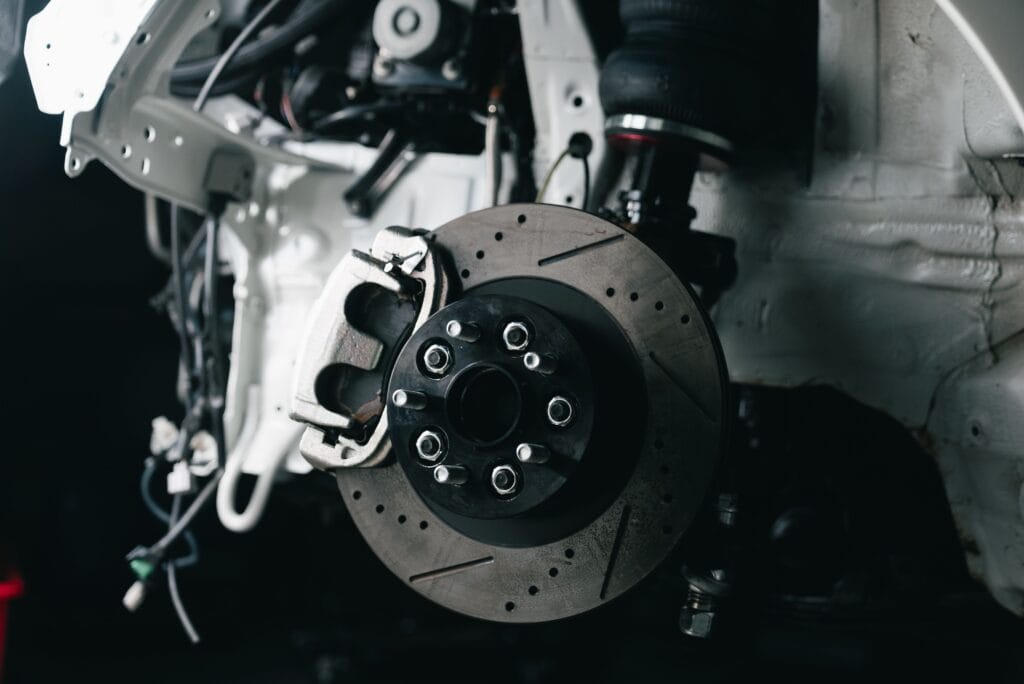
Squealing when braking is usually an indicator that brake pads are approaching the end of their service life. Most modern pads incorporate a wear indicator — a small metal tab that contacts the disc and produces a squeal when the pad material is worn. Grinding, by contrast, typically indicates that the pads are completely worn and metal is contacting metal — a situation that damages discs and requires immediate attention.
Check Brake Fluid Regularly
Degraded brake fluid with high moisture content reduces braking efficiency, particularly under sustained use. Have your brake fluid tested as part of your regular service and replace it every two years as a minimum.
For a brake inspection or replacement, visit Brookes Auto Repair at brookesautorepair.com.