
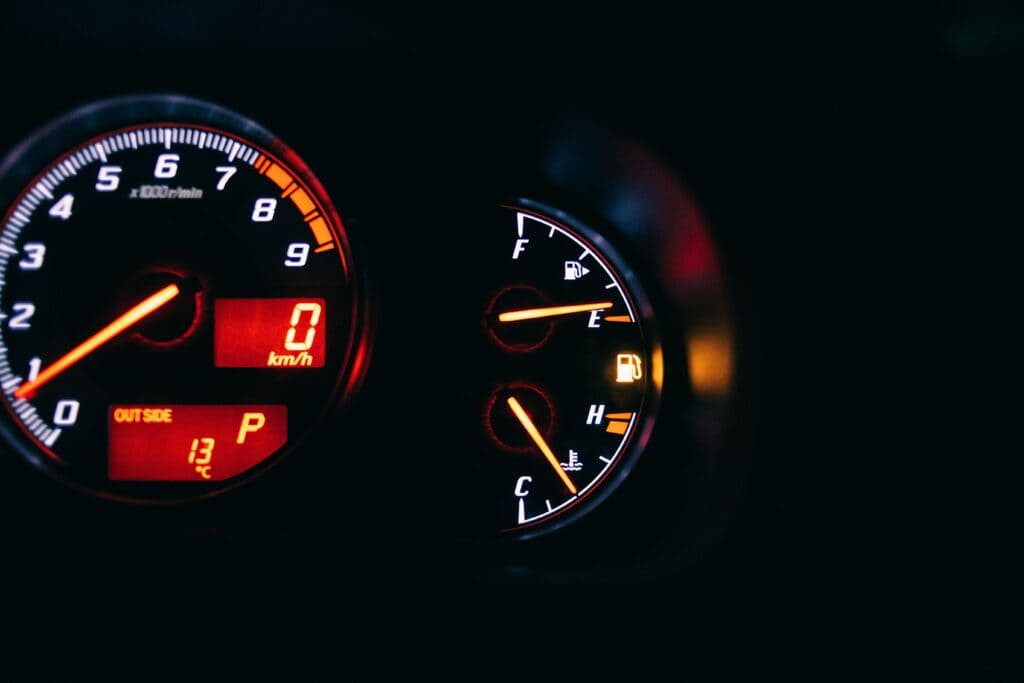
Modern vehicles are equipped with an array of dashboard warning lights designed to alert drivers to issues before they become serious. Yet many drivers either ignore these lights entirely or panic unnecessarily when one illuminates. At Brookes Auto Repair, we carry out diagnostic checks every week on vehicles whose owners have been driving with a warning light on for weeks — sometimes months. Here is a plain-English guide to what the most common lights mean.
Engine Management Light (EML)
Usually depicted as an engine outline, this light covers a wide range of potential faults — from a loose fuel cap to a failing oxygen sensor or catalytic converter. It does not always mean the car is dangerous to drive, but it should never be ignored for long. A diagnostic check will read the fault codes stored in the engine control unit and identify the cause.
Oil Pressure Warning
This is one of the most serious warning lights on any vehicle. If the oil pressure warning illuminates while driving, pull over safely and switch off the engine immediately. Continuing to drive with low oil pressure can cause catastrophic engine damage within minutes. Check the oil level — but if the level is normal and the light remains on, do not restart the engine until the system has been inspected.
Battery Warning Light
This light indicates that the battery is not being charged correctly, usually pointing to a fault with the alternator, drive belt, or battery itself. The vehicle may continue to run for some time on battery power alone, but eventually the engine will cut out. If this light comes on while driving, reduce electrical load where possible and get to a garage promptly.
ABS Warning Light
The ABS (anti-lock braking system) light indicates a fault in the system that prevents it from operating as designed. Your conventional brakes will still function, but the ABS — which prevents wheel lock-up during emergency braking — will not. In wet or slippery conditions, this significantly increases stopping distances.
Tyre Pressure Monitoring System (TPMS)
Most modern vehicles are fitted with TPMS, which alerts the driver when one or more tyres drops below the recommended pressure. Check all four tyres and the spare if applicable. Do not simply reset the light without addressing the underlying pressure issue.
If any warning light is illuminated on your dashboard, contact Brookes Auto Repair at brookesautorepair.com to arrange a diagnostic check.